Museum Visit

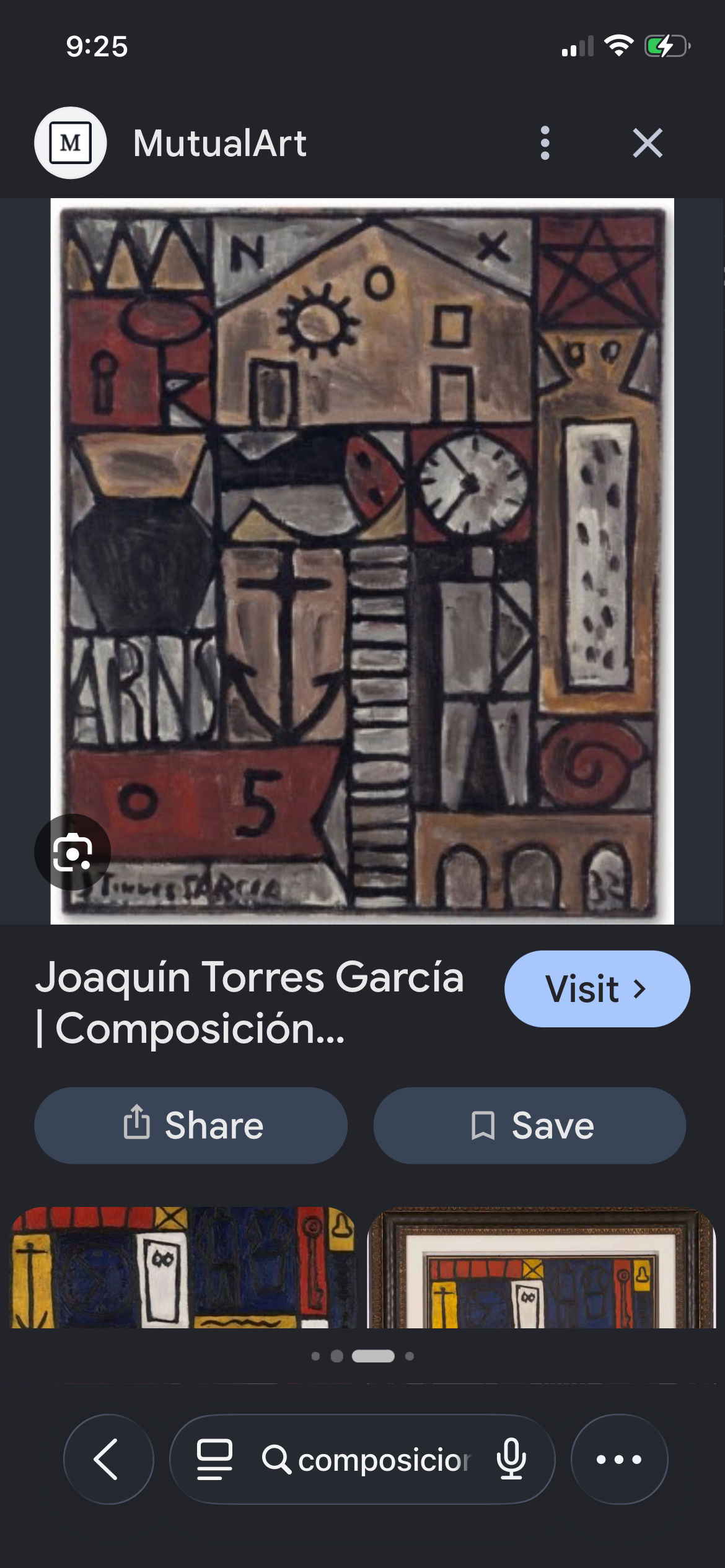
The weavers guild I belong to decided to visit the Cleveland Museum of Art to speak with the textile conservator. We were so lucky to have a couple of hours to explore the museum and another couple of hours to learn from the conservator. The photo above is of a piece of art I was enraptured by in the museum, they did ask on their website that we not take pictures of the art so I found this on google.

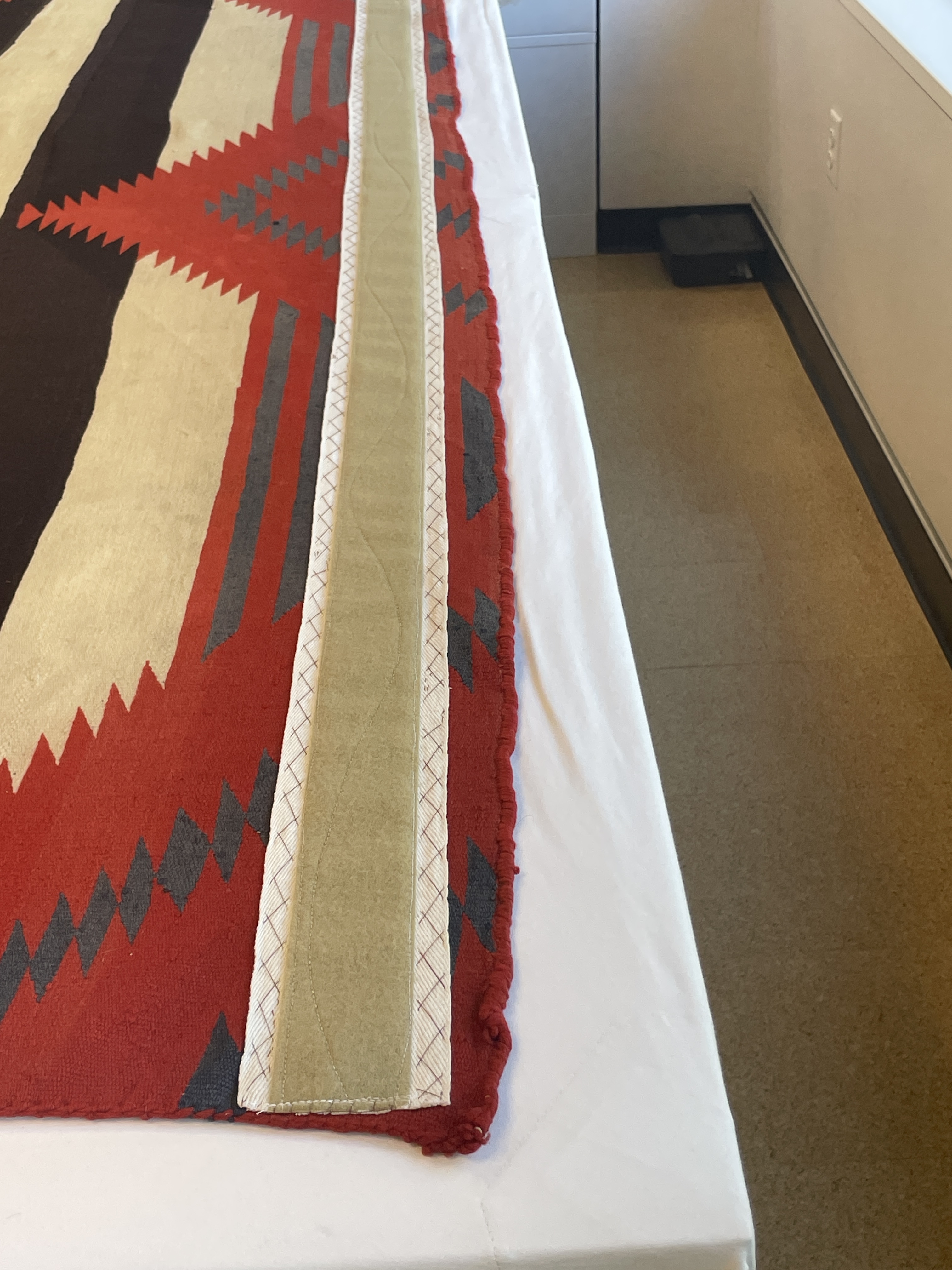
It was amazing to learn about conservation, preservation, what you can do to keep textiles looking their best, as well as ways to create repairs that are virtually seamless. It was fascinating to see that cotton twill tape has velcro soft loops attached to itself and then the twill tape is sewn to the textile for hanging purposes. The stiffer, sticky, portion of the velcro is attached to where the item is to be displayed, either on a French cleat or some other form of hanging. This allows the textile to not be caught on the sticky portion of the velcro, while distributing the weight of the textile.
It was fascinating to see some of the conservation that they perform, as well as understanding how they need to balance the conservation with the time and energy they have to devote to that particular exhibition. I did learn quite a bit about how they display, store, and preserve textiles. One of the methods that fascinated me is the pressure mounting. This is where they use either an acrylic box or some art mounting boards like what you would find in framing photographs, as well as batting and a backing cloth to cushion and preserve the textile by having it pressed against the top and bottom pieces. This keeps it flat, prevents any shifting that can cause damage to the pieces, and prevents most handling which will keep it in the best shape possible.

For the backing cloth the conservator recommended either Rayon lens tissue or silk crepeline with muslin underneath to cushion it. Apparently three companies that also make the acrylic boxes are University Products, Small Court and Gemini Builds it. They use tyvek for storage and to cover the textiles to prevent damage from sun, dust, etc. They also use Hollytex labels with as much information as they have to ensure that the information is also preserved. They also use Cotton Bobbinette for repairs, they sew with curved surgical needles since they tend to be finer than sewing needles.

I was so happy to have the time with the conservator, as well as the amazing questions that my fellow weavers guild members asked. Since this museum is less than 3 hours away I plan to visit at least one or two time in the next two years since they have some amazing exhibitions coming up. The two major expenses are the gas (of course) and a $14 parking fee. I could purchase a membership, however that is $75 and for how often I plan on going I do not think it would be worth it.

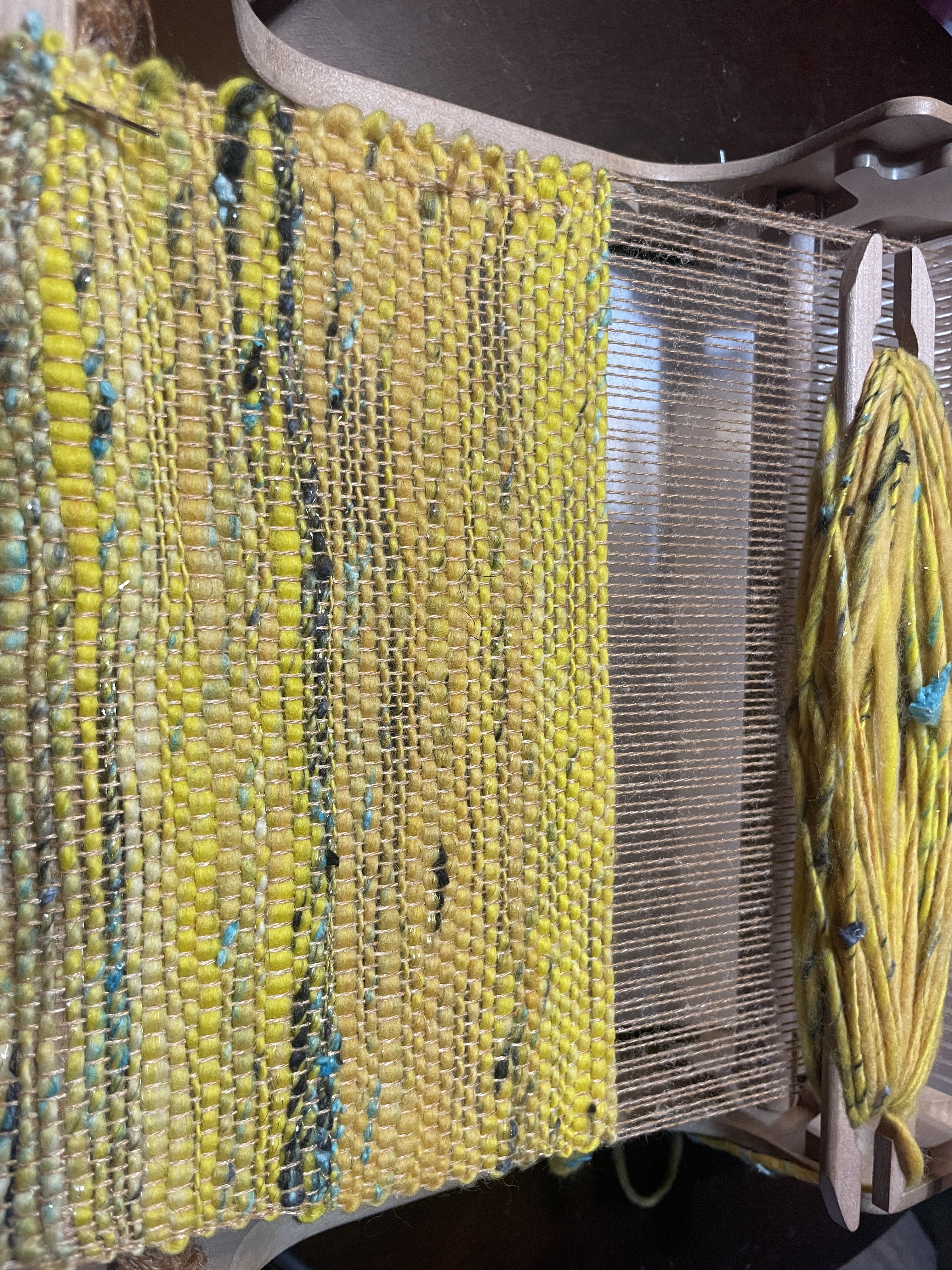
I did make some progress on an alpaca and wool scarf I am currently weaving, as well as some progress on a secret project.
Until next time remember to live life a Little More Abstract!

Organization Idea

I follow a wide variety of makers of all sorts. Artists, textile artists, fiber artists, crafters, quilters, sewists, historical recreationists, and so many more. They all bring something different to my creative adventures, color theory, design inspirations, organization inspiration, or just a new way of thinking of the world and materials found within.

At present the artist that is inspiring me most is Sue Spargo. She has a lovely online shop, creates amazing quilts using wool fabric and raw edge applique, along with embroidery and so much more. In one of her promotional emails she showed how some of the supplies she uses are organized, in a binder. Not just any binder, but a binder with card sleeves and plastic bags that fit in those sleeves containing supplies. *Mind Blown*!

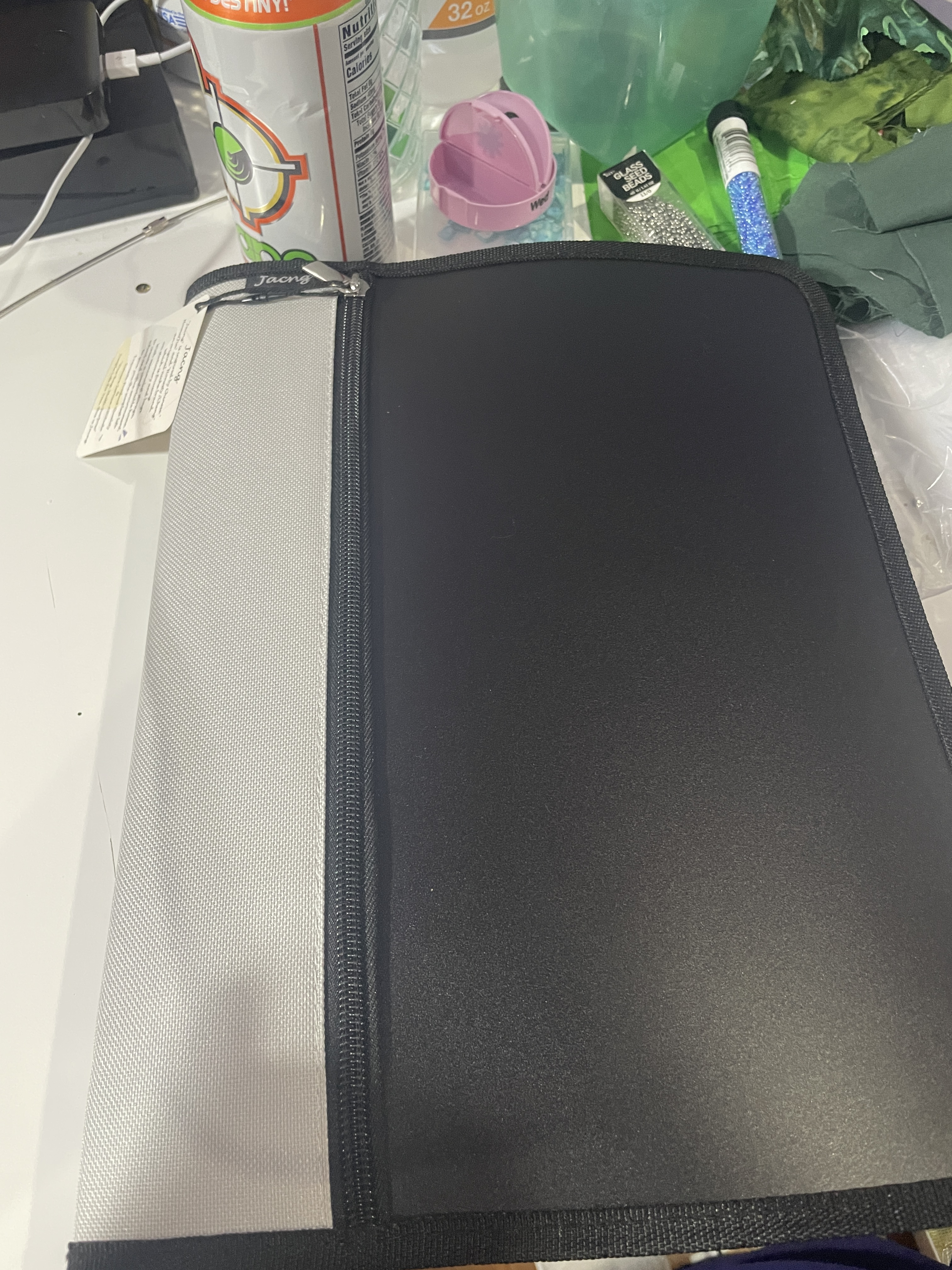
I have been using Photo Boxes, found at Michaels (never pay more than $15 for them), to organize many of my smaller supplies and I love how they work. However I do stack them, and I find that having to dig around, even with a sheet detailing what is in each, tends to take some of the spontaneity and creative impulse out of the crafting. I decided to take Sue Spargo’s idea a half step further and purchase a 3 ring binder that has a zipper (essentially a trapper keeper).

I spent much of yesterday deciding what is going in there and getting things organized. I still plan on sewing up some 3 ring binder pouches to add slightly bigger items or embroidery projects on the go. This is just another step on my way to crafting organization! I love drawing inspiration from all of the sources available to me, if you get a chance check out Sue Spargo, her kits and supplies are amazing!

Until next time remember to Live Life a Little More Abstract!

Summer Opportunities

Summer tends to lend itself to a wide variety of opportunities. To spend time outside, gardening, visiting the beach, and so much more. There are also a wide variety of learning opportunities available, some of which are free online. I am not affiliated with, nor do I endorse any of these courses. There are opportunities to ‘upgrade’ these courses for a fee, which I am not affiliated with, nor do I endorse.

From August 10th to the 18th there will be a Craft Discovery Summit, https://masteryroute.com/crafts/

September 21st-28th will be a Quilter’s Paradise Summit that you can register to be notified about: https://masteryroute.com/quilters-paradise-waitlist/

November 9-16 there will be a Needlework Paradise Summit that you can register to be notified about: https://masteryroute.com/needlework-waitlist/

HobbyScool also has a lineup of seminars and retreats, all digital, that you can find here: https://www.hobbyscool.com/

The upcoming classes are:

August 18-20 Back to Creativity Summit

September 15-17 Art of Handmade

October 15-17 Festive Fall Workshop Series

November 10-12 Elves’ Workshop Summit

December 15-17 Create and Reflect Retreat

Get Organized HQ does also tend to have a free fall event that I have found worth attending in the past.

If you are looking to ‘up’ your skills with paid courses there are too many for me to mention in this blog post. I will attempt to add some into future posts.

Learning opportunities can take many different forms, borrowing a book from your local library or guild, finding free online courses or youtube videos, attending a retreat or major conference, or taking time to talk with friends that share your passion. Not all learning has to be expensive if you are open to it! That being said, do not take those with experience for granted either. Attending a conference with world renowned artists is well worth the $3-5,000 it costs for room, board, other opportunities, and the chance to learn in person from an expert teacher is an opportunity not to be missed. In addition if you have the option to learn from an individual instructor then they should be compensated fairly. No matter your level, skill, and financial means you should be able to find learning opportunities for you!

Remember to Live Life a Little More Abstract!